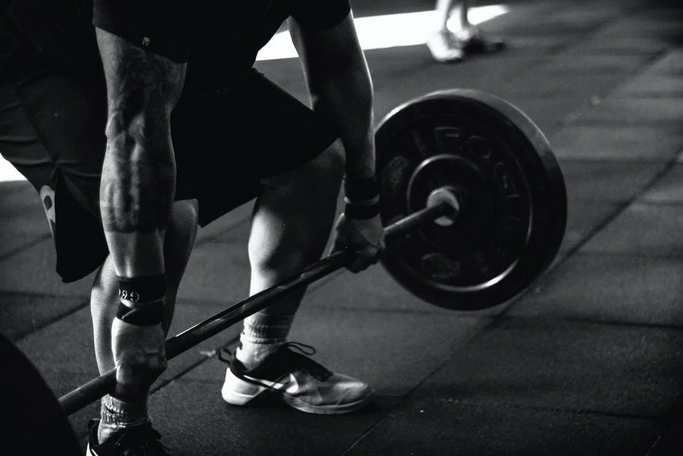
In case you’re wondering how to get huge muscles, scientists have the answer for you. It turns out that protein intake is a key factor in muscle growth – more so than previously thought. Whether you’re still debating which is the best for better lean muscle: collagen vs whey protein, protein is indeed the king. Protein is an essential nutrient that the body uses for muscle growth, tissue repair, and other vital functions. But how much protein do you need to eat each day to see results? And what types of protein are best for building muscle? This article will explore the science behind protein and muscle growth and answer some common questions about protein intake.
Significantly Preserves Muscle Mass
As we all know, protein is essential for muscle growth. But many people don’t realize that protein intake is also critical during periods of negative energy balance – when you are trying to lose weight. A new study published in the Journal of Physiology has found that consuming a high-protein diet during periods of negative energy balance can help preserve muscle mass.
The study was conducted on a group of obese men who were placed on a weight-loss diet. The men were split into two groups: a high-protein group and a standard protein group. The high-protein group consumed 2.4 grams of protein per kilogram of body weight (about 1 gram per pound). In comparison, the standard protein group consumed 1.2 grams of protein per kilogram of body weight. Both groups had a negative energy balance, meaning they ate fewer calories than they were burning.
Reduces Age-Related Muscle Loss
 Another study, this one published in the American Journal of Clinical Nutrition, found that protein intake can help reduce age-related muscle loss. The study looked at a group of older adults placed on either a high-protein or standard protein diet. The high-protein group consumed 1.5 grams of protein per kilogram of body weight (about 0.68 grams per pound), while the standard protein group consumed 0.75 grams of protein per kilogram of body weight (about 0.34 grams per pound).
Releases a More Cohesive Muscle Protein Synthetic Response
Did you know that the timing of your protein intake can affect muscle growth? A study published in the Journal of Nutrition found that consuming protein before and after exercise results in a more cohesive muscle protein synthetic response than consuming protein at other times of the day. When the body is in a fasted state, such as first thing in the morning or after several hours without food, it is more sensitive to the effects of protein. This means consuming protein before and after exercise can help maximize muscle growth.
So what’s the bottom line? Protein is essential for muscle growth, and how much protein you consume can have a significant impact on your results. If you want to build muscle, aim for 1-2 grams of protein per kilogram of body weight (about 0.5-1 gram per pound). And be sure to consume protein before and after exercise to maximize muscle growth.