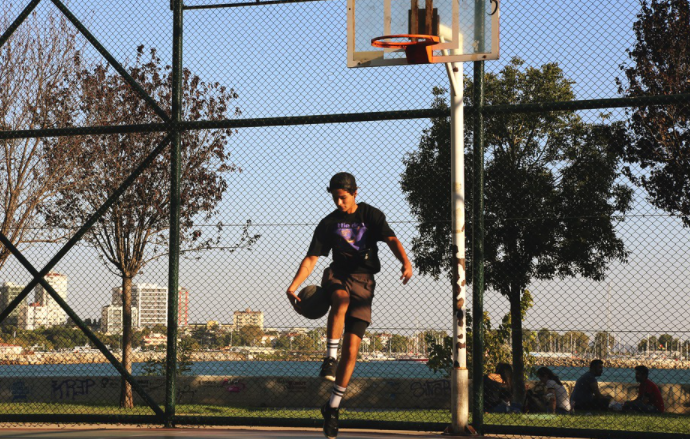
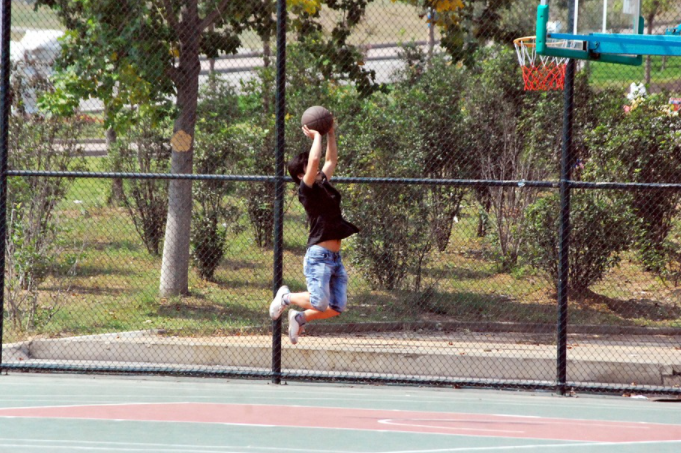
Increasing your vertical jump is an excellent way to give yourself an edge over your competition. The most recent and perfect method to increase your vertical jump quality is using the air alert training program. But if you want to increase the height you can jump, you must understand which muscles you need to train. If several muscles promote increasing your vertical jump, you will find three primary muscle groups in your legs that require the explosive ability to lift your body off the ground. I will discuss the use of all of these muscle groups, starting with the ankle, knee, and hip joints.
Ankle Plantar Flexors
The ankle plantar flexors are a series of muscles that pull the foot’s base toward the ground. However, when the foot is already on the ground, these muscles can lift the ground’s heels. In other words, the plantar flexors of the ankle contribute a large amount of ankle bounce. There are two main muscles in the calf that attach to the ankle through the Achilles tendon: gastrocnemius and the soleus. The gastrocnemius is the two’s flatter and is held closer to the skin than the soleus muscle. The gastrocnemius plays an essential role in rapidly exerting the force needed for jumping.
Knee Extensors
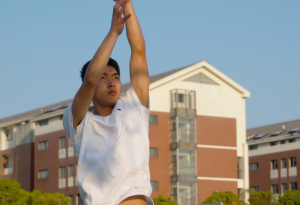 Knee extensors are vital to straighten your knee. The quadriceps femoris muscle would be the main extensor of the knee. These muscles are located between your knee and hip joint, at the front of your thigh. As the name suggests, four individual muscles make up the complicated quadriceps femoris. But they usually contract at almost the same time to exert force through the patellar tendon (to extend the knee through a jumping motion). If you want to exert force to extend your knee rapidly, your quadriceps muscles need to be trained for higher jumps in the air alert training program.
Hip Extensors
Hip extensors work to extend your hip joint when you jump. The main hip extensor and the main driving force in a jumping motion is the gluteus maximus. The gluteus maximus is the largest of the gluteal muscles (in the glutes). Still, the gluteus medius and gluteus minimus play more of a stabilizing role when jumping rather than a prime mover role in lifting yourself off the ground. But it would be best if you had your strength to propel you up and forward as you jump.